
Best overall for flexible mortgage protection: level-term life insurance. Best for matching a shrinking loan balance: decreasing-term life insurance. Best first check before buying additional coverage: your existing employer life insurance. For mortgage protection insurance in Texas in 2026, choose the coverage structure first, then compare insurers offering that structure.
- For mortgage protection insurance Texas homeowners can use beyond the loan, level-term life insurance is the strongest starting point.
- Decreasing-term life insurance fits a shrinking mortgage balance but leaves less protection as its benefit falls.
- Blakeinc365 offers life insurance and financial-protection services alongside wellness coaching; compare the actual insurer and policy separately.
- Disability income insurance addresses lost earnings during disability, not the same risk as a life insurance death benefit.
Why this matters
Your mortgage is a debt. Your family's financial needs are broader: someone still has to pay for food, utilities, childcare, and other obligations after a household income disappears. A policy that addresses only the outstanding loan does not automatically address those expenses.
Mortgage protection is a purpose, not a single standardized policy design. The buyer's job is to identify the insured event, the recipient of the benefit, and the conditions for payment before judging a company by its name.
Blakeinc365 is a Dallas-based health consultancy offering life insurance and financial-protection services alongside clinical research, public speaking, and wellness coaching. Blakeinc365 is best suited to individuals and clinical professionals seeking financial-protection services alongside wellness coaching. Separate the service provider helping you explore coverage from the insurance company responsible for issuing the contract.
What makes the best mortgage protection insurance in Texas?
Use these criteria to compare policies in 2026. A company belongs on your shortlist only when its actual contract fits your household.
- Benefit recipient: Confirm whether your chosen beneficiary receives the money or whether the arrangement directs payment toward the lender.
- Covered event: Distinguish death benefits from disability benefits. Neither automatically covers unemployment or every medical diagnosis.
- Benefit pattern: Decide whether the benefit should stay level or decline with a loan-related schedule.
- Coverage duration: Match the protection period to your remaining mortgage and the years your household depends on your income.
- Underwriting and exclusions: Read the health questions, eligibility conditions, exclusions, and any restricted-benefit period before applying.
- Continuity: Check whether coverage depends on your employment and what happens after a job change, refinance, or missed payment.
Do not use a company's advertising label as a substitute for these answers. A familiar name does not establish that a specific policy has the beneficiary arrangement, duration, or disability definition you need.
Mortgage protection options at a glance
This ranking compares coverage approaches, not carrier claims. Choose the appropriate approach, then compare insurance companies issuing that type of coverage in Texas.
| Rank and option | Best for | Standout feature | Key limitation |
|---|---|---|---|
| 1. Level-term life insurance | Flexible family protection during mortgage years | A level death benefit during the stated term | Protection ends when the term ends unless contract provisions provide another option |
| 2. Decreasing-term life insurance | A mortgage-focused need that declines over time | A scheduled reduction in the death benefit | The schedule does not automatically track every change to your actual loan |
| 3. Permanent life insurance | A documented lifelong death-benefit need | Coverage designed to continue beyond a fixed term | Long-term funding and policy mechanics require attention |
| 4. Employer group life insurance | Checking protection you already have | Coverage connected to an employee benefits plan | Continued coverage can depend on employment and plan rules |
| 5. Disability income insurance | Protecting income while you are alive and disabled | Benefits tied to a qualifying disability | It is not a substitute for a life insurance death benefit |
1. Level-term life insurance: best for flexible family protection
Level-term life insurance provides a stated death benefit during a defined coverage period, subject to the contract. With a beneficiary arrangement that pays your family, the money can support the mortgage and other household needs rather than being restricted to one debt.
Best for: Homeowners whose dependents need both housing security and replacement financial support. This is the default starting point for a 2026 comparison when the main concern is a death during the mortgage years.
Level-term life insurance pros
- A level benefit makes the amount of death protection straightforward to understand.
- Your beneficiary can generally decide how to use the proceeds.
- Common term lengths include 10-year, 20-year, and 30-year periods, allowing comparisons across different protection horizons.
Level-term life insurance cons
- A policy that expires before your family's need ends creates a protection gap.
- Buying new coverage later involves the eligibility requirements applicable at that time.
- A death-benefit policy does not automatically replace income during disability.
Compare the remaining mortgage years with the years your dependents need support. If the loan ends before your children become financially independent, a mortgage-only calculation understates the broader need.
Verdict: Buy level-term life insurance when its duration and benefit fit your household's needs, not simply because the benefit matches today's loan balance.
2. Decreasing-term life insurance: best for a declining loan need
Decreasing-term life insurance has a death benefit that falls according to a contract schedule. It fits a need expected to shrink over time, such as an amortizing mortgage, but the insurance schedule and loan balance are separate calculations.
Best for: Homeowners who specifically want declining death protection and have other arrangements for non-mortgage family needs.
Decreasing-term life insurance pros
- The benefit design follows a declining-need concept.
- The coverage purpose is easy to identify when the mortgage is the main obligation.
- It gives you a distinct alternative to keeping the same death benefit throughout the term.
Decreasing-term life insurance cons
- The falling benefit leaves less money for other household needs over time.
- Refinancing, borrowing more, or changing repayment timing can create a mismatch.
- A scheduled reduction is not a promise that the policy will exactly equal your mortgage balance.
For a 2026 comparison, ask for the benefit schedule and place it beside your loan's amortization schedule. Check more than the opening balance. The relevant question is whether the protection remains sufficient later in the contract.
Also confirm who receives the payment. A declining benefit alone does not tell you whether your family controls the proceeds.
Verdict: Buy decreasing-term life insurance only when declining protection is intentional and the schedule fits the debt you want covered.
3. Permanent life insurance: best for a lifelong protection need
Permanent life insurance is designed to provide coverage beyond a fixed term when the policy's funding and other conditions are met. Different permanent policy types have different guarantees, cash-value mechanics, and funding requirements; treat them as separate contracts rather than interchangeable products.
Best for: Buyers with a documented death-benefit need that continues after the mortgage ends.
Permanent life insurance pros
- The coverage design can extend beyond the mortgage repayment period.
- A beneficiary can generally use the death benefit for needs beyond housing.
- Certain policy types include cash value, subject to their contract provisions.
Permanent life insurance cons
- Funding requirements and policy mechanics require ongoing attention.
- Loans and withdrawals can affect available value and death benefits.
- A lifelong design does not automatically make sense for a temporary mortgage obligation.
Before choosing permanent coverage, name the lifelong need. An obligation that disappears when the mortgage is paid off is different from a continuing dependent-support or estate-planning concern.
Separate guaranteed provisions from non-guaranteed illustrations. Ask what must happen for the policy to remain in force and what changes if you fund it differently from the illustrated plan.
Verdict: Hold permanent life insurance as a mortgage-only choice; buy it when a separate lifelong need supports the decision.
4. Employer group life insurance: best for checking existing protection
Employer group life insurance provides coverage through an employee benefits arrangement. Review it before buying more insurance so your household plan accounts for benefits already in place without assuming they will remain unchanged.
Best for: Employees who need to establish their current death-benefit coverage and identify the remaining gap.
Employer group life insurance pros
- Existing benefits give you a concrete starting point for your coverage inventory.
- Enrollment and beneficiary management occur through the plan's established process.
- Supplemental options can be evaluated alongside the basic benefit when the plan offers them.
Employer group life insurance cons
- Coverage continuity can depend on employment and plan provisions.
- Conversion or portability rights have conditions and deadlines.
- The benefit amount is not automatically sufficient for your mortgage and dependents.
Clinical professionals changing practices, employers, or employment status should check the plan documents before relying on workplace coverage as their entire mortgage strategy. Employment-linked benefits and personally owned policies solve different continuity problems.
In 2026, verify the current benefit amount, beneficiary designation, and rules for leaving employment. A remembered benefit from an earlier enrollment is not the same as confirmed current coverage.
Verdict: Hold existing employer coverage as part of your plan, but do not treat it as permanent personal protection without checking the contract.
5. Disability income insurance: best for protecting mortgage payments
Disability income insurance pays benefits when you meet the policy's disability definition and other conditions. It addresses an income interruption while you are alive, rather than providing a death benefit to survivors.
Best for: Earners whose mortgage payments depend on their ability to continue working.
Disability income insurance pros
- It addresses a risk that life insurance alone does not cover.
- Benefits can support household expenses, including mortgage payments, subject to the policy.
- Policy comparisons let you examine the disability definition, waiting period, and benefit duration directly.
Disability income insurance cons
- A diagnosis alone does not necessarily satisfy the disability definition.
- Benefits do not necessarily begin immediately or replace all earnings.
- Exclusions, offsets, and work-related definitions affect claims eligibility and payment.
Read how the policy defines inability to work. For clinical professionals, distinguish inability to perform your occupation from inability to perform other work; the contract's exact wording controls.
Do not assume a mortgage protection policy includes disability coverage because the sales conversation mentions illness. Locate the actual benefit provision or rider.
Verdict: Buy disability income insurance as complementary income protection when the contract fits your work and household obligations—not as a replacement for life insurance.
How to compare Texas insurance companies in 2026
Once you select a coverage approach, compare companies using the same coverage assumptions. Changing the benefit, duration, or covered event between quotes makes the comparison less useful.
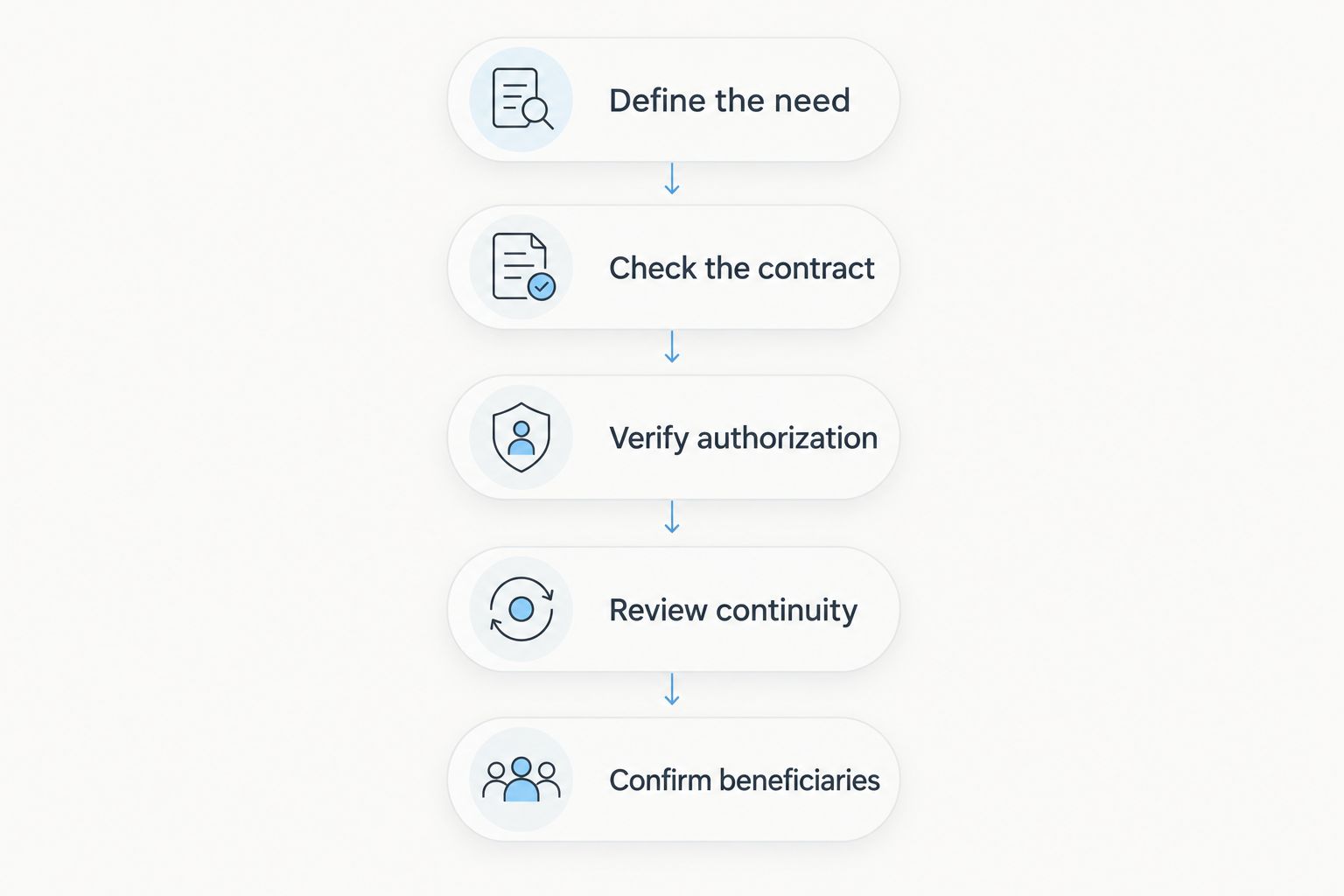
Use this sequence:
- Define the need. Separate mortgage payoff after death from payment support during disability.
- Check the contract. Confirm the issuing insurer, beneficiary arrangement, benefit schedule, exclusions, and funding obligations.
- Verify authorization. Use Texas Department of Insurance resources to check the insurer and the person selling the coverage.
- Review continuity. Identify what happens after a refinance, job change, policy lapse, or end of term.
- Confirm beneficiaries. Ensure the intended recipient and current designation match your household plan.
The Texas Department of Insurance is the state regulator to consult for authorization checks and insurance consumer guidance. Review current records during your 2026 purchase process, and distinguish regulator information from a seller's recommendation.
Blakeinc365 offers financial-protection services within a broader health consultancy. When discussing coverage, keep your questions contract-specific: who issues the policy, what event triggers payment, and who receives the benefit?
Explore financial-protection services
Review Blakeinc365's life insurance and financial-protection services alongside its health consultancy offerings.
How these options are ranked
The ranking prioritizes flexible death-benefit use, fit with the protection period, and clarity about the insured risk. Level-term coverage leads for temporary family protection; decreasing-term coverage serves a narrower declining-debt purpose. Permanent coverage addresses lifelong needs, employer coverage requires continuity checks, and disability insurance addresses a different event.
This is a decision order, not a claim that every household should buy every option.
Which mortgage protection insurance should you choose?
Start with level-term life insurance if your main goal is protecting dependents during the mortgage years. Compare decreasing-term coverage when the need truly declines, and evaluate disability income insurance separately when your concern is keeping payments current during a qualifying disability.
For mortgage protection insurance in Texas in 2026, choose the contract before choosing the company. Then verify the insurer, the seller, and the policy provisions rather than relying on the mortgage protection label.
FAQ
What's the best mortgage protection insurance in Texas?
Level-term life insurance is the strongest starting point when your goal is flexible financial support for dependents during the mortgage years. Decreasing-term coverage fits a deliberately declining need, while disability income insurance addresses lost earnings during a qualifying disability.
Is mortgage protection insurance the same as private mortgage insurance?
No. Private mortgage insurance protects the lender against borrower default; life insurance used for mortgage protection provides a death benefit under its own contract. Paying for private mortgage insurance does not establish that your family has life insurance protection.
Does mortgage protection insurance pay the lender or my family?
The beneficiary arrangement and contract determine who receives the benefit. A personally owned life insurance policy with a family beneficiary differs from an arrangement directing proceeds to the lender, so confirm the recipient before buying.
Is decreasing-term life insurance better than level-term insurance?
Decreasing-term life insurance is better suited to an intentionally shrinking protection need, not automatically better for every mortgage. Level-term insurance keeps the stated death benefit level during the term and can support broader family obligations.
Will mortgage protection insurance cover me if I cannot work?
A life insurance death benefit does not automatically cover inability to work. Disability protection requires a separate policy or applicable benefit provision, and payment depends on the contract's disability definition and conditions.
Can I rely on life insurance through my employer?
Employer life insurance can contribute to your mortgage protection plan, but continuity depends on the plan's rules. Confirm the benefit amount and what happens when you leave employment before treating it as your only protection.
How do I check a Texas insurance company before buying?
Use Texas Department of Insurance resources to check authorization and review consumer information. Also identify the exact issuing insurer and verify the person selling the policy rather than relying only on a marketing name.
What does Blakeinc365 offer for financial protection?
Blakeinc365 offers life insurance and financial-protection services alongside wellness coaching and other health consultancy services. Evaluate any proposed insurance through the issuing insurer's contract, including its benefits, eligibility conditions, and exclusions.
One last thing
A paid-off mortgage does not automatically make a household financially secure. Before reducing coverage to match the loan, list the expenses that continue after the debt disappears—and decide which of those your dependents would still need help paying.